
The transportation sector is undergoing a significant reconfiguration. Shifting commuter behaviours, multimodal travel adoption and the increasing penetration of electric and autonomous mobility are collectively destroying the assumptions on which traditional airline and transit loyalty programmes were built.
Points for miles. Tier upgrades. Partner discounts. These mechanics served their purpose in an era of predictable travel patterns and a limited competition. They are becoming more and more inadequate for an era characterized by fragmented travel and experience-driven consumers and expectation management in real time.
For many senior leaders in transportation, hospitality and related sectors, the question is no longer whether there is a need to redesign the loyalty programmes. It is how fast that redesign can be carried in and whether the underlying technology infrastructure is capable of sustaining what is coming next.
From Mode-Specific to Multimodal Loyalty Architecture
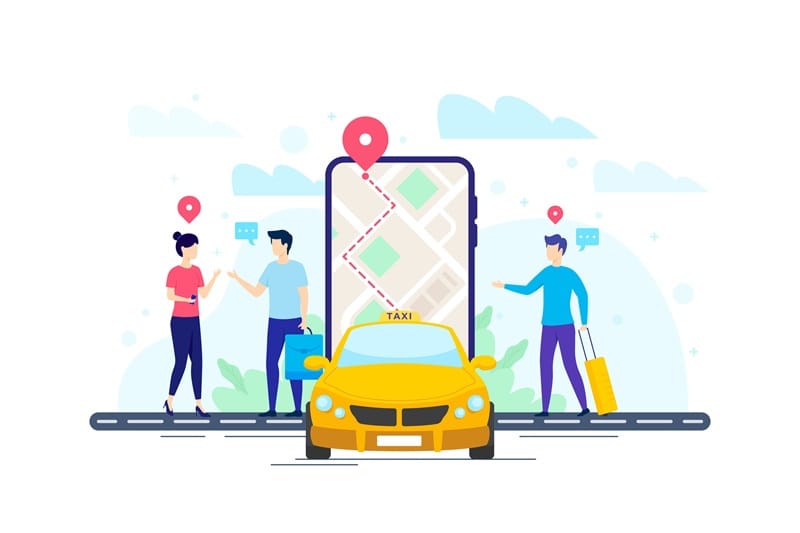
The biggest structural transition currently underway in transportation loyalty is the transition from programmes that are mode-specific to multimodal engagement ecosystems. A passenger booking a flight, hailing a ride to the airport, taking a rail connection at their destination and hiring a bicycle to get to the final leg of their journey creates value across four different mobility providers but most loyalty architectures only capture a fraction of that journey.
Forward-thinking operators are starting to plan programmes that transcend mobility categories, building unified point economies that reward the complete journey rather than a single leg. This approach has two strategic benefits: it raises programme engagement frequency dramatically and it positions the loyalty platform as infrastructure instead of an afterthought.
The data implications are also significant. Multimodal loyalty creates a much richer behavioural data set, one that allows for truly personalized offers as opposed to segment-level targeting that has been the norm with transportation rewards.
Sustainability as a Loyalty Currency
Environmental performance is shifting from a corporate reporting requirement to a customer engagement lever. A growing cohort of frequent travellers, particularly in business and premium segments, are making modal choices that are informed at least partly by carbon considerations. Transportation loyalty programmes that do not take this shift into account are missing out on a meaningful engagement opportunity.
Several operators are starting to experiment with carbon-conscious reward schemes such as extra points for choosing lower emission routes, rewards for off-peak travel which eases network load, or redemption schemes linked to verified carbon offset schemes. The strategic logic is sound. Aligning loyalty currency with sustainability behaviour establishes a values-based engagement in which transactional point accumulation cannot replicate.
Critically, this has to be a transparent approach. Customers in premium segments are sophisticated enough to identify greenwashing. Any sustainability-linked loyalty mechanic needs to be grounded with verifiable methodology or it will do more damage rather than strengthen trust in the brand.
Real-Time Personalization at the Journey Level
Legacy loyalty programmes function on batch logic: points are calculated periodically, the offers are generated on a fixed timing and tier reviews occur annually. This cadence is structurally misaligned with a travel experience that happens in real time and where the customer’s context, delayed connection, weather disruption, changed itinerary, changes by the hour.
The next generation of transportation loyalty is being designed around real-time contextual intelligence. When a connecting flight is delayed, for example, the loyalty platform can automatically trigger a lounge access offer. When a customer passes a points threshold during their journey, the recognition moment could be delivered immediately as opposed to in a post-trip email. When a passenger’s travel pattern suggests a change in route preference, offer personalization can change within days not quarters.
This capability requires integration between the loyalty engine, the operational reservation system, and the customer communications infrastructure — an integration that many transportation operators have not yet achieved. Organizations evaluating their readiness for this model should assess their current customer loyalty solutions against this real-time integration benchmark.
The Role of Non-Travel Redemption in Retention
One of the ongoing issues with transportation loyalty has been the discrepancy between points earned and redeemed. Customers that accumulate points rarely redeem them and unredeemed points are both a balance sheet liability and a lost engagement opportunity.
The response that is being adopted by leading programmes is the expansion of redemption into non-travel categories: wellness, dining, retail, entertainment and experiential rewards that are accessible regardless of near-term travel plans. This shift helps keep the programme emotionally relevant during periods when customers aren’t actively travelling and keeps them engaged during what would otherwise be dormant periods in the loyalty cycle.
For retail and hospitality operators considering coalition loyalty partnerships with transportation brands, this creates a direct commercial opportunity. Transportation loyalty members are typically high-value consumers with demonstrated brand preference behaviours — precisely the audience that retail customer loyalty solutions are designed to engage and retain.
Autonomous Mobility and the Loyalty Design Challenge
The longer-horizon consideration for transportation loyalty strategists is the rise of autonomous mobility as a commercial category. When the vehicle itself is a service provider, there’s no human driver, no airline brand visible at the cockpit door, no ground staff at hand to provide experiential service, many of the traditional loyalty touchpoints disappear.
In the autonomous mobility environments, loyalty will be delivered completely through digital interface design, predictive personalization and ecosystem partnerships. The brands that are investing now in platform-native loyalty architecture, where the engagement system is embedded in the digital product rather than bolted on as a marketing layer, will be structurally advantaged when autonomous mobility reaches commercial scale.
The transportation loyalty programmes that are going to characterize the next decade are being architected now. The decisions being made now about platform flexibility, data ownership, redemption breadth and real-time capability will make a difference about what operators retain and what they don’t, and which lose them to more responsive competitors.
Yegertek partners with transportation and enterprise clients to design loyalty ecosystems built for this level of complexity. Speak with our team to assess where your programme stands relative to the emerging capability benchmark.
Frequently Asked Questions
What is the future of transportation loyalty programmes?
Transportation loyalty is changing towards multimodal, real-time and sustainability integrated models. Future programmes will reward entire journeys across multiple mobility providers, offer a personalized offer in context and align reward structures with the values of the environment, which goes well beyond the traditional points-for-miles frameworks.
How is real-time personalization changing transportation loyalty?
Real-time personalization allows loyalty programmes to respond to the context of a customer’s real-time journey – delays, threshold crossings, changes to itineraries rather than operating on batch cycles. This demands a deep integration between loyalty engines, reservation systems and communications infrastructure, but pays off with much better engagement results.
Why are transportation loyalty programmes expanding into non-travel redemption?
Unredeemed points are both a liability and a disengagement risk. Expanding redemption into dining, retail and wellness keeps programmes emotionally relevant during non-travel times, keeping the customers engaged and programme participants throughout the entire lifecycle of the loyalty programme.
What role does sustainability play in transportation loyalty?
Sustainability is becoming a loyalty currency. Programmes that incentivise lower-emission routes of travel or off-peak travel match brand values with customer behaviour, especially in premium segments. Credibility is essential, any sustainability mechanic must be rooted in transparent, provable methodology, in order to build, not destroy trust.
How should transportation operators evaluate their current loyalty platform readiness?
Operators should assess their platform for the presence of real time data integration, multimodal partner connectivity and flexible redemption architecture. Programmes that are still running on legacy batch processing logic or one mode point structures are likely to be under performing against both current customer expectations and immediate competitive requirements.